For researchers in the Faculty Uplift Summit
Get the Model That Gets You Funded
Download the free companion brief. Walk away with the model.
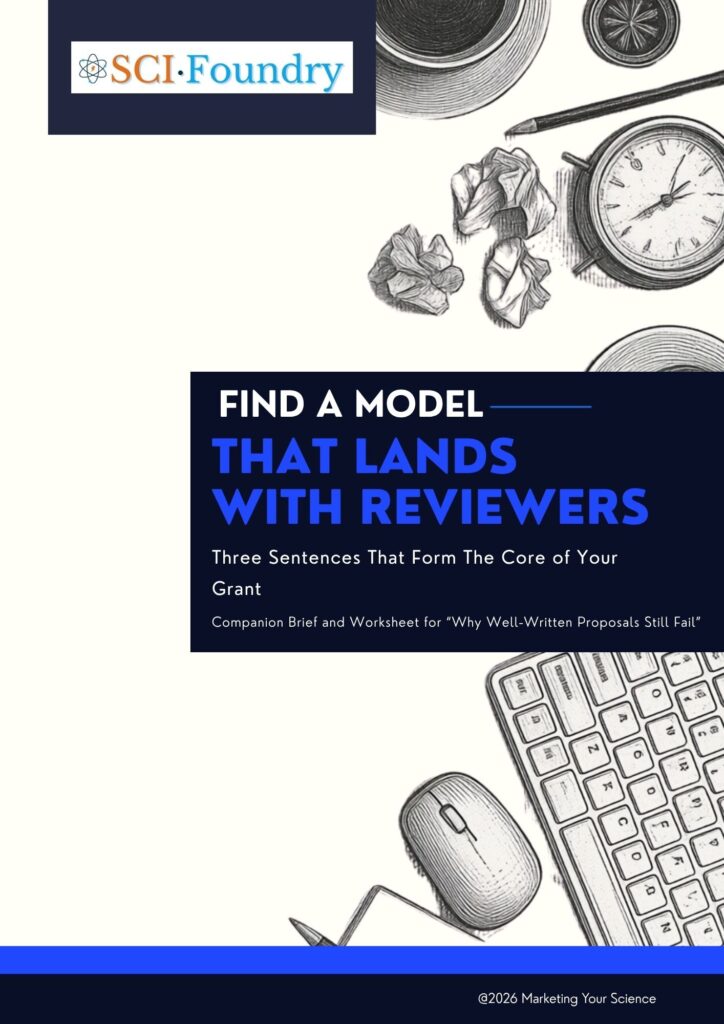
The Logic Behind the Prose
Stop guessing if your proposal "feels" right. The difference between a triaged application and a funded one isn't the quality of the writing—it's the strength of the scientific model. This brief is a worksheet designed to help you isolate that core logic, stress-test it, and ensure your primary claim is actually a model, not just a list of methods.
This is not a writing template or a "hack" for NIH/NSF formatting. It is a logic check for your scientific model.
Inside the Brief
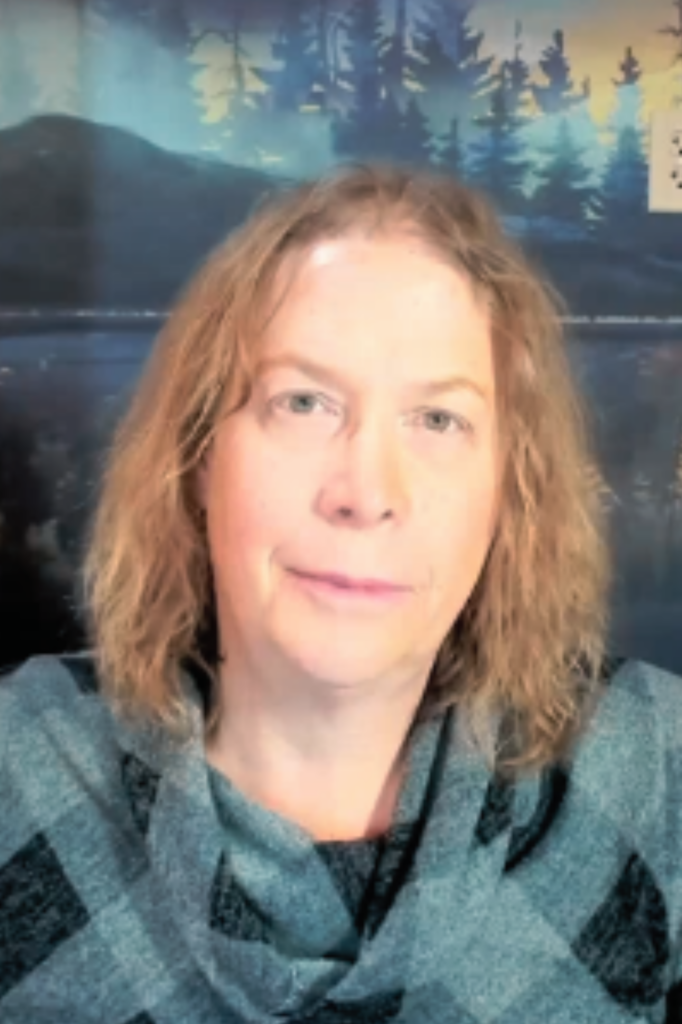
A Note from Morgan
I know this because I lived it. Early in my faculty career at UNC Chapel Hill, I faced six rejections in a row. My prose was clean, and my editors were great, but the proposals were still missing the mark. I realized the problem wasn't the writing—it was the model. I'm Morgan Giddings, founder of SCI•Foundry, and I built this resource to help researchers find the logic that reviewers actually reward.
— Morgan Giddings, PhD

Copyright © 2025 Marketing Your Science LLC. All Rights Reserved